Single-Authored Books
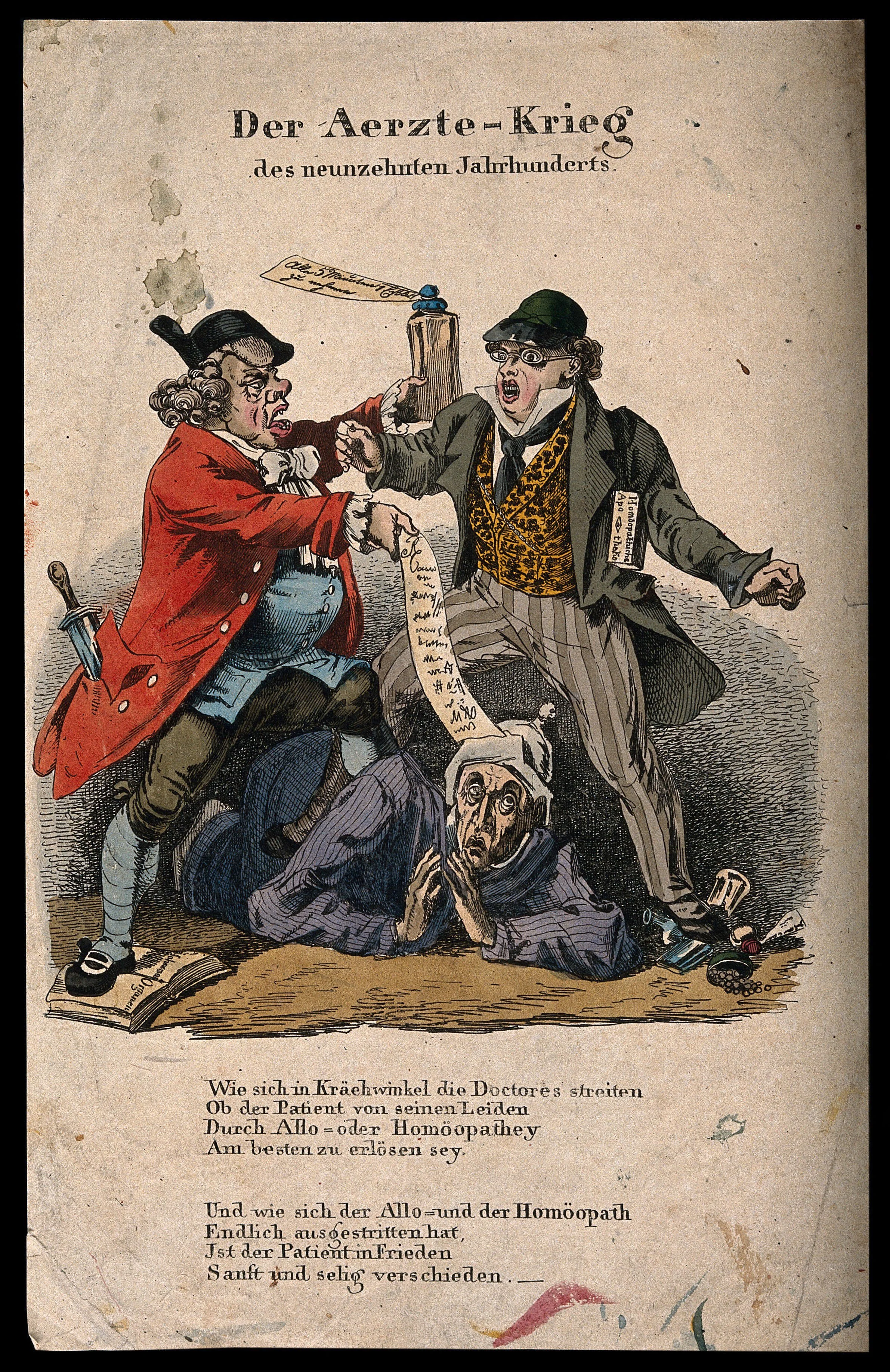
Forthcoming with Stanford University Press in May 2027.
The rise of modern medicine provoked fierce forms of mistrust that endure to this day. Nowhere was this paradox sharper than in the German-speaking world, where doctors, scholars, and scientists pioneered bacteriology and public health even as dissenters denounced vaccines, decried clinics, and sought cures in water, spirit, or snake poison. From Dresden to Suriname, Vienna to Java, medical dissent coursed through imperial networks that made mistrust central rather than marginal to the making of modern health care.
Medical Mistrust: Healers, Heretics, and the Fight over Medicine in Germany, 1800–1914 traces this counter-tradition through seven dissident figures: a homeopath, an anti-vaccinator, a colonial doctor, a medical missionary, a feminist physician, an occultist, and a socialist naturopath. These nonconformists did not simply oppose scientific medicine. They built parallel institutions, mobilized mass movements, and articulated critiques grounded in personal injury, social exclusion, and moral concern. Yet their dissent often reproduced racial, gendered, and nationalist hierarchies. The book resists both romanticization and condescension; it probes dissent’s contradictions. Medical skepticism, I argue, emerged from the exclusions and failures of biomedical modernity itself, establishing patterns of mistrust that continue to shape contemporary health care debates.
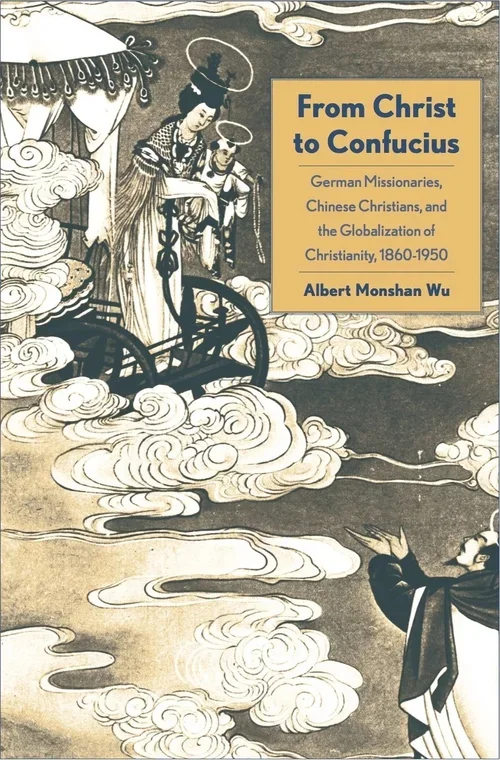
My first book, From Christ to Confucius: German Missionaries, Chinese Christians, and the Globalization of Christianity, 1860-1950, was published by Yale University Press in 2016.
The book explores a dramatic transformation in recent world and religious history: the shift of Christianity from a predominantly "European" religion to one that is largely non-European. It tells this story through the lens of German Protestant and Catholic missionaries, who entered China in the nineteenth century committed to destroying Confucianism. Yet when they left China in the 1950s, they had become Confucianism's ardent defenders. Pushed by their Chinese Christian counterparts, missionaries began to change their views, arguing that Christianity's global survival hinged on the synthesis of Christianity and Confucianism. Through their encounter with China, missionaries began to reconsider Christianity's relationship to other religions, and ultimately began to re-examine central tenets of Christianity, such as the exclusivity of Christian salvation. German missionaries, I argue in the book, were agents of both globalization and secularization. Finally, they were not just handmaidens of empire. Rather, they were complex figures who at times challenged the German imperial project.
Edited Volumes
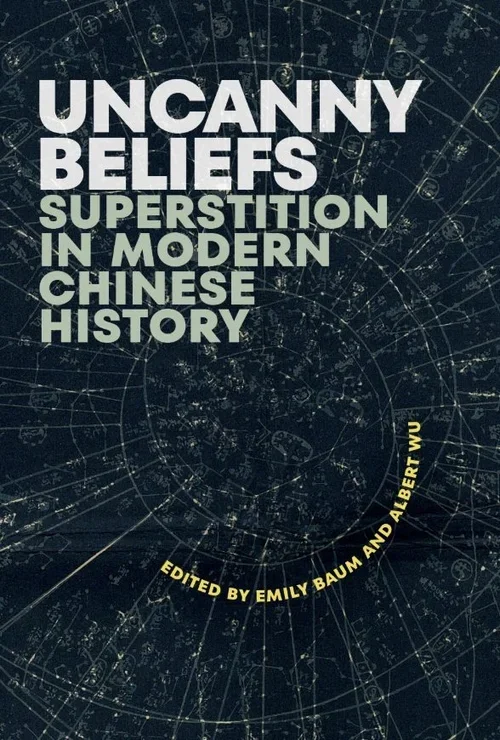
Edited by Emily Baum and Albert Wu.
In the early twentieth century, scholars around the world believed that “superstition” belonged to a bygone era. Yet despite their confident predictions, superstitious beliefs have endured. Perhaps nowhere has the history of superstition been more prolonged and tumultuous than in China. From the late nineteenth century to the present day, intellectuals and politicians have denigrated practices like divination, ancestor worship, and geomancy as unbefitting of a modern nation, and governing regimes have launched a succession of campaigns to replace superstitious thinking with science and rationality. Efforts to eliminate such practices from public life, however, have regularly encountered resistance from people who continue to find meaning in them.
Uncanny Beliefs seeks to understand what “superstition” has meant in modern China—and questions why superstitious thinking has remained such an urgent target of state intervention. Through a range of temporal and thematic perspectives, the chapters in this volume link the study of superstition to the histories of science, religion, gender, state building, and popular culture. In doing so, they collectively broaden our understanding of modern Chinese history by revealing the complex entanglements of superstition with religion, modernity, authority, and everyday life.
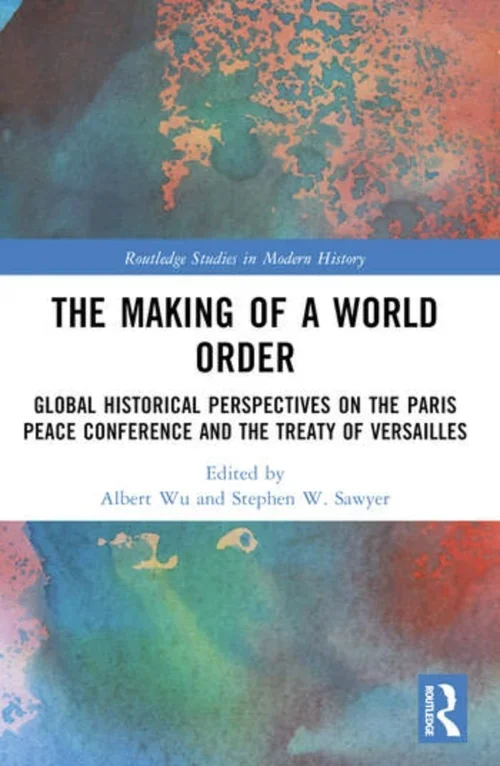
Why does 1919 deserve further study and debate a hundred years later? What lessons for global history may we learn from the world order created at the end of the Great War? Drawing insight from the global turn of the past several decades that has forced us to reconsider the most important world events and processes since the French Revolution and especially the growing interest in World War I as a global conflict that extended far beyond the borders of Europe, this volume explores the global political ramifications of the treaties prepared at the Paris Peace Conference in 1919 by focusing on key topics: how the Paris Peace Conference re-shaped the geo-political configurations of the Middle East, the importance of transformations in Asia and particularly China in the immediate postwar period, the shifts in Southeastern Europe, new feminist movements in Central Europe, and the pre-history of neoliberalism.
Read together, the papers demonstrate how the peace treaties signed in 1919 and 1920 marked a profound transformation on local, national, continental, and global scales.